Blog
Importance of Brass and Copper in Indian Tradition
So when is it okay to use lorem ipsum? First, lorem ipsum works well for staging. It’s like the props in a furniture store—filler text makes it look like someone is home. The same WordPress template might eventually be home to a fitness blog, a photography website, or the online journal of a cupcake fanatic. Lorem ipsum helps them imagine what the lived-in website might look like.
Second, use lorem ipsum if you think the placeholder text will be too distracting. For specific projects, collaboration between copywriters and designers may be best, however, like Karen McGrane said, draft copy has a way of turning any meeting about layout decisions into a discussion about word choice. So don’t be afraid to use lorem ipsum to keep everyone focused. One word of caution: make sure your client knows that lorem ipsum is filler text. You don’t want them wondering why you filled their website with a foreign language, and you certainly don’t want anyone prematurely publishing it.
For specific projects, collaboration between copywriters and designers may be best, however, like Karen McGrane said, draft copy has a way of turning any meeting about layout decisions into a discussion about word choice. So don’t be afraid to use lorem ipsum to keep everyone focused. One word of caution: make sure your client knows that lorem ipsum is filler text. You don’t want them wondering why you filled their website with a foreign language, and you certainly don’t want anyone prematurely publishing it. So when is it okay to use lorem ipsum? First, lorem ipsum works well for staging. It’s like the props in a furniture store—filler text makes it look like someone is home. The same WordPress template might eventually be home to a fitness blog, a photography website, or the online journal of a cupcake fanatic. Lorem ipsum helps them imagine what the lived-in website might look like. Second, use lorem ipsum if you think the placeholder text will be too distracting.
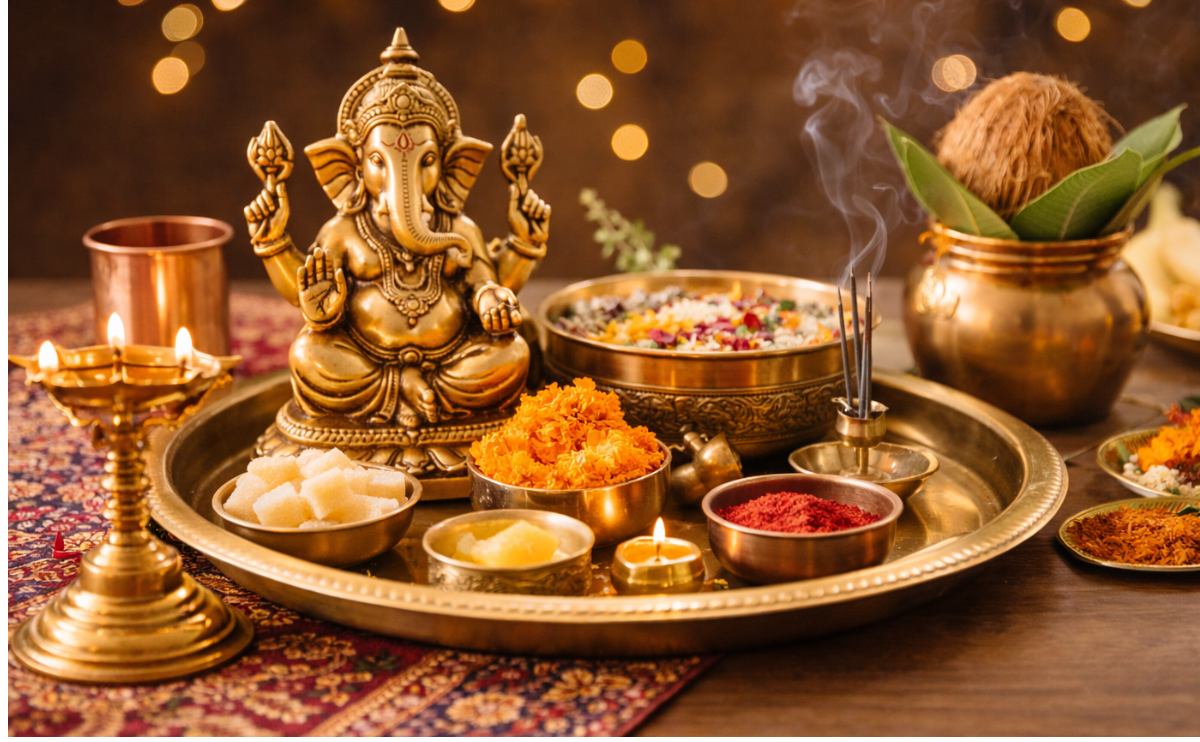
Brass and copper have held a sacred and significant place in Indian tradition for centuries. These metals are not only valued for their durability and beauty but also for their spiritual, cultural, and health-related importance. From temples and rituals to kitchens and festive celebrations, brass and copper remain deeply rooted in everyday Indian life.
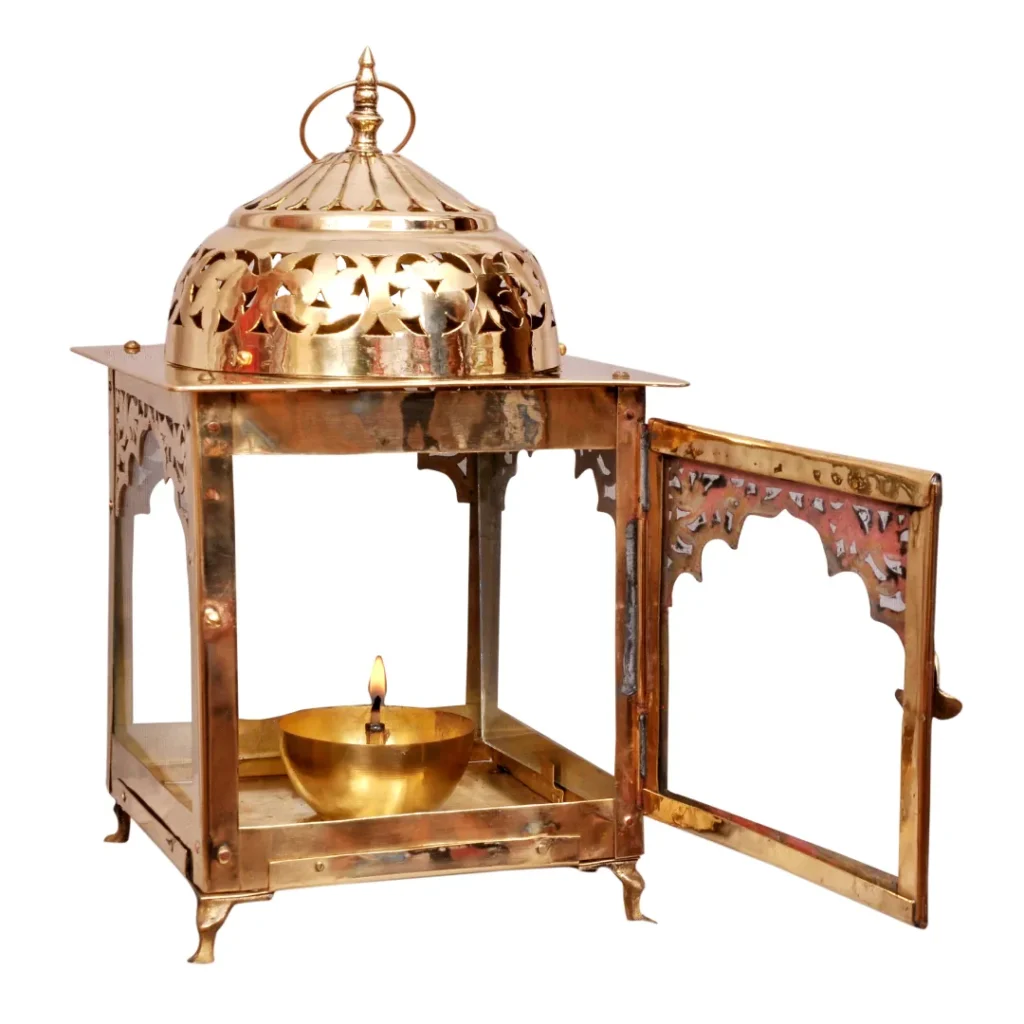
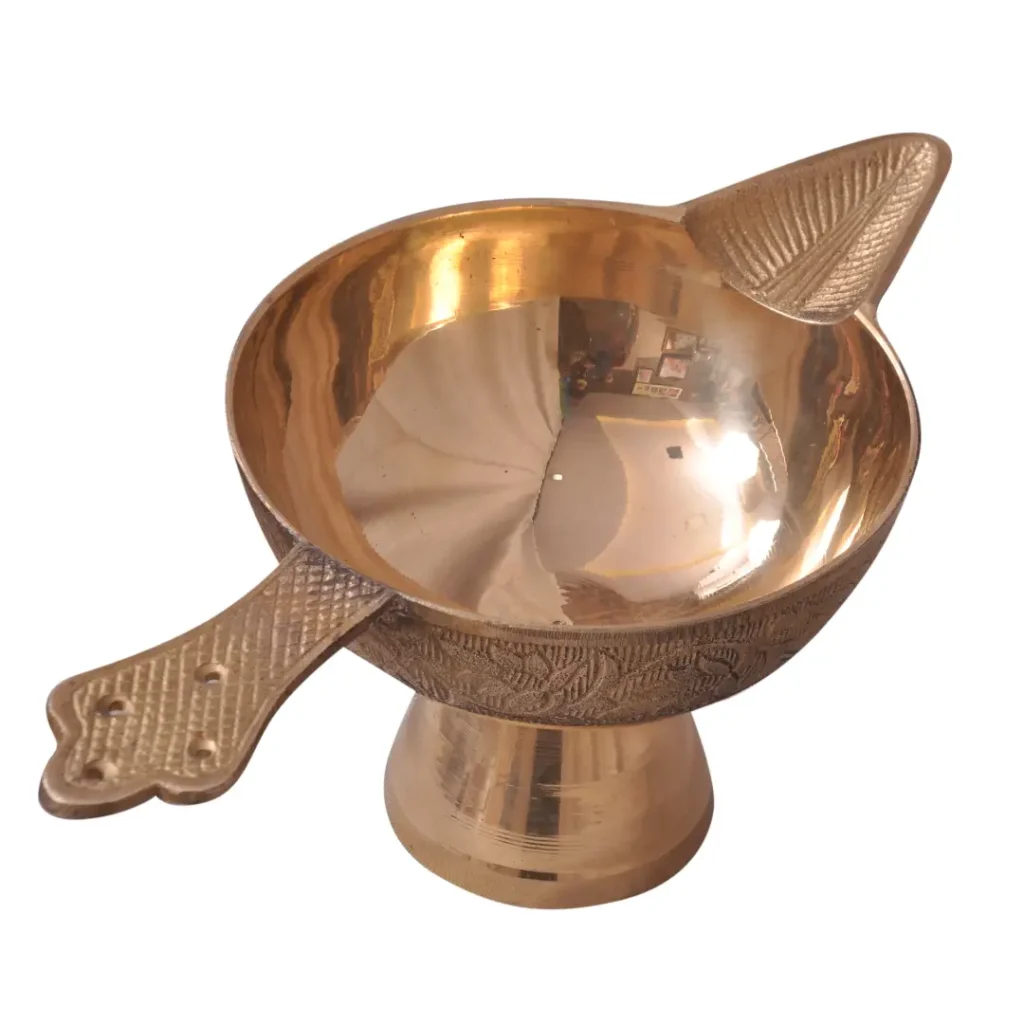
Copper and brass are believed to attract positive energy and create a spiritually uplifting environment. The ringing of a brass bell during prayer is said to clear negative vibrations and focus the mind. Lighting a brass diya symbolizes the removal of darkness and ignorance.
Because of their sacred association, these metals are often chosen for religious ceremonies, weddings, and festivals.
Cultural Heritage
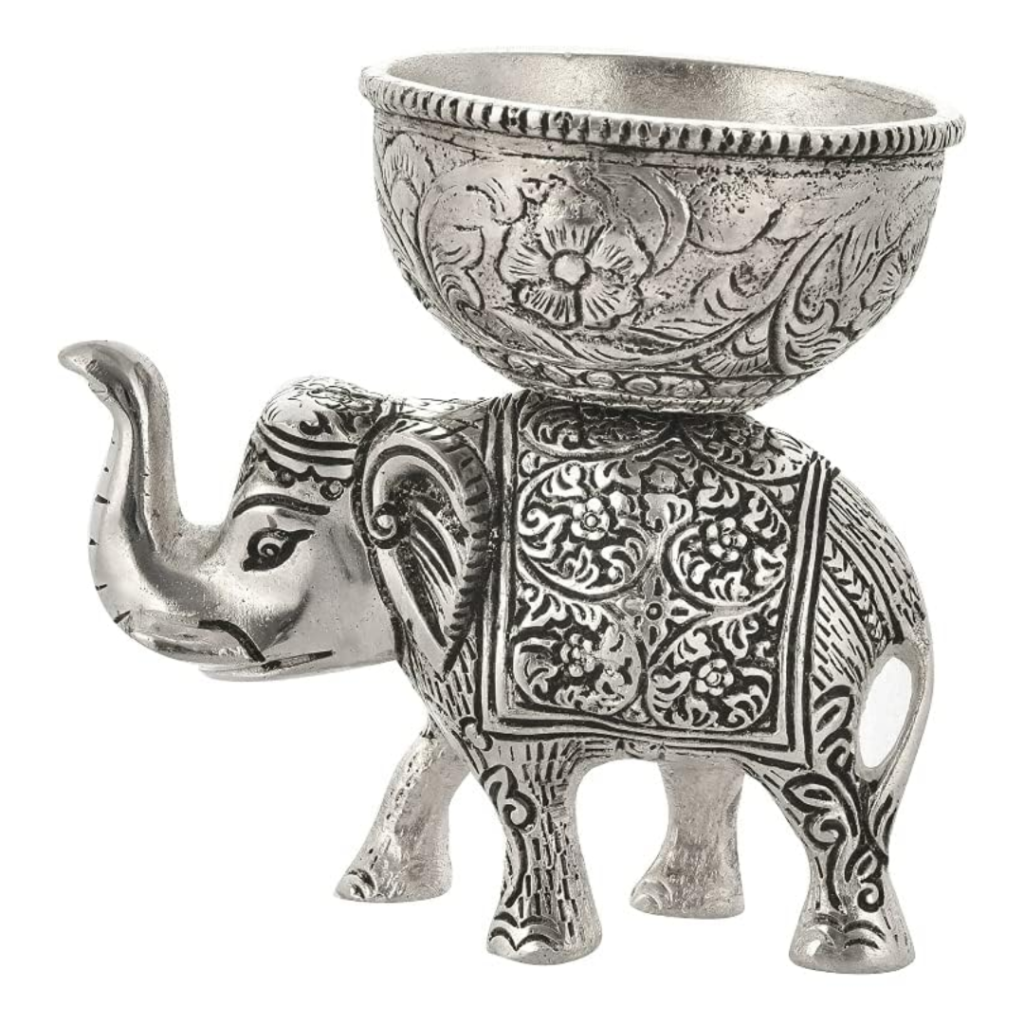
Brass and copper utensils have been used in Indian households for generations. Traditionally, families passed down metal cookware and pooja items as heirlooms. These pieces not only served functional purposes but also represented prosperity and tradition.
In many regions of India, gifting brass or copper items during weddings and housewarming ceremonies is considered auspicious. It signifies blessings, abundance, and well-being.
Health and Ayurveda
Ayurveda recognizes copper as a beneficial metal for health. Drinking water stored in a copper vessel (known as “Tamra Jal”) is believed to help balance the body’s internal systems. Copper is known for its antimicrobial properties, which help purify water naturally.
Brass and copper utensils were traditionally used for cooking and serving food, as they were believed to enhance digestion and overall wellness when used properly.
Symbol of Prosperity and Purity
The golden shine of brass symbolizes wealth and divine energy. In temples and homes, brass lamps and idols are used to invoke prosperity and spiritual growth. Copper, with its earthy tone, represents grounding and stability.
These metals are often seen during major festivals like Diwali, Navratri, and weddings, highlighting their deep-rooted importance in Indian culture.
Brass and copper are more than just metals — they are symbols of tradition, spirituality, and wellness in Indian culture. Whether used in daily rituals, festive celebrations, or household kitchens, these timeless materials continue to reflect India’s rich heritage and enduring values.
Incorporating brass and copper into modern homes is not just about décor — it is about preserving tradition while embracing elegance and authenticity.