Blog
How to Clean Brass Utensils Naturally at Home
As an alternative theory, (and because Latin scholars do this sort of thing) someone tracked down a 1914 Latin edition of De Finibus which challenges McClintock’s 15th century claims and suggests that the dawn of lorem ipsum was as recent as the 20th century. The 1914 Loeb Classical Library Edition ran out of room on page 34 for the Latin phrase “dolorem ipsum” (sorrow in itself). Thus, the truncated phrase leaves one page dangling with “do-”, while another begins with the now ubiquitous lorem ipsum. Been either fished for, or wished.
Controversy in the Design World
Whether a medieval typesetter chose to garble a well-known (but non-Biblical—that would have been sacrilegious) text, or whether a quirk in the 1914 Loeb Edition inspired a graphic designer, it’s admittedly an odd way.
One brave soul did take a stab at translating the almost-not-quite-Latin. You don’t want them wondering why you filled their website with a foreign language, and you certainly don’t want anyone prematurely publishing it.
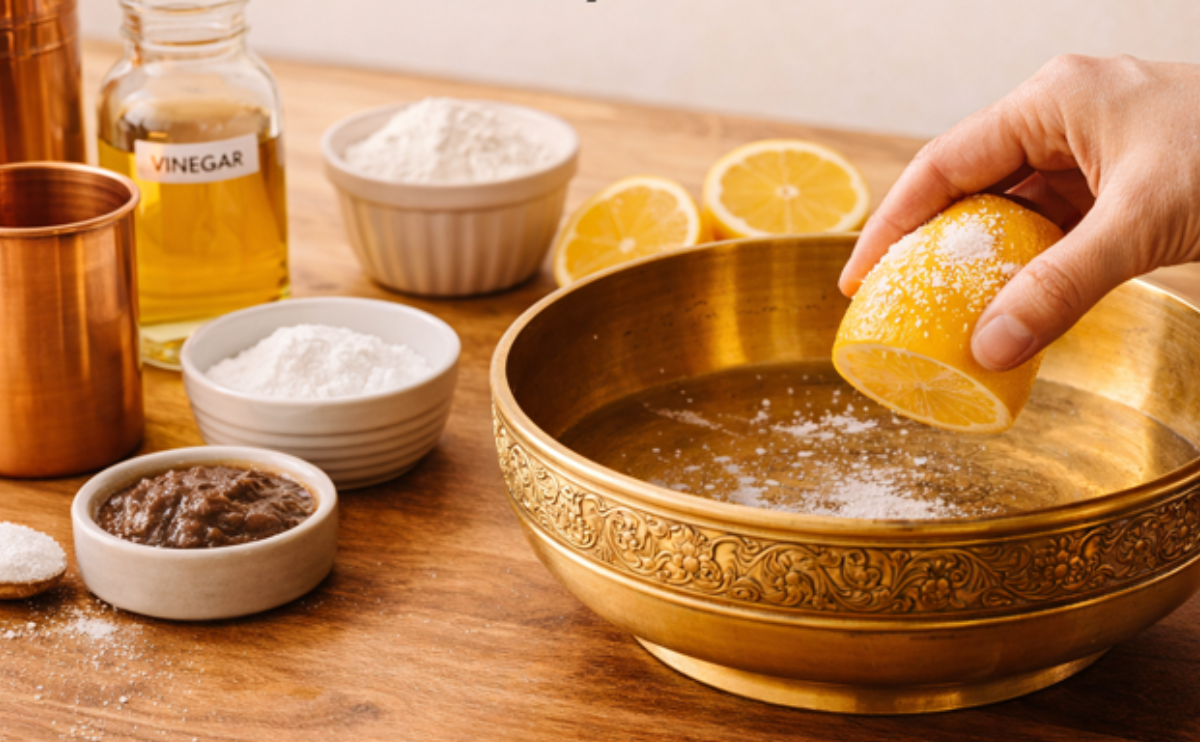
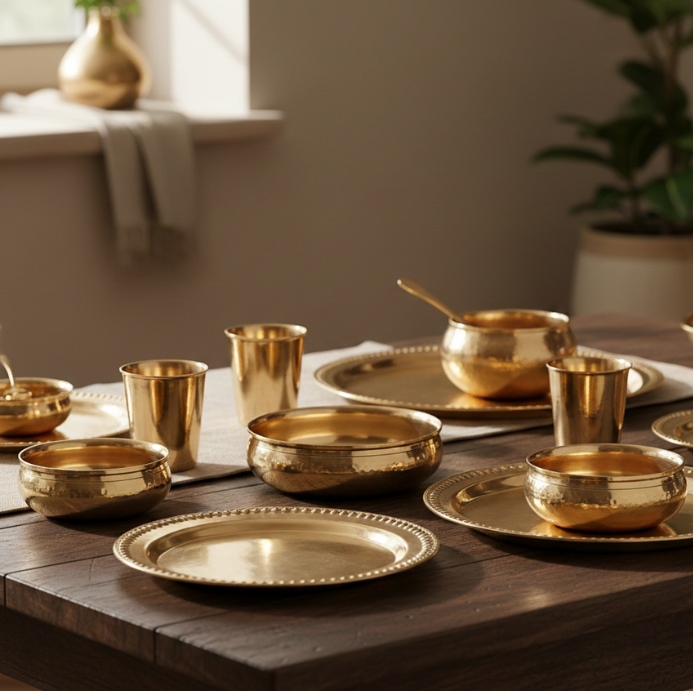
Brass utensils are more than functional kitchenware — they are a reflection of heritage, craftsmanship, and timeless Indian tradition. From pooja thalis and lamps to serving bowls and cookware, brass has held a sacred and aesthetic place in Indian homes for centuries. Its warm golden tone symbolizes prosperity and purity, making it a cherished material in both spiritual and everyday spaces.
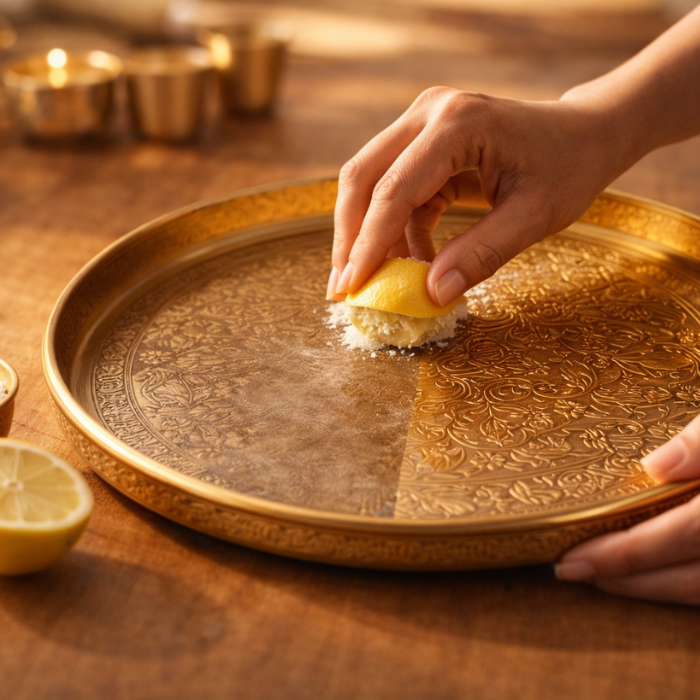
However, over time, brass develops a dull layer known as tarnish. Exposure to air, moisture, and regular handling causes oxidation, which gradually reduces its shine. The good news? You don’t need harsh chemicals or expensive polishes to restore its brilliance. Traditional, natural cleaning methods are not only effective but also safe, eco-friendly, and gentle on handcrafted pieces.
This comprehensive guide will walk you through everything you need to know about cleaning brass utensils naturally at home — safely and effectively.
Augue a commodo vestibulum vulputate parturient fermentum parturient eget vel consequat mauris feugiat vestibulum suspendisse consectetur a posuere leo in habitasse scelerisque.Quisque non elementum vestibulum montes praesent urna montes etiam enim arcu urna lobortis suspendisse urna velit a adipiscing imperdiet sem a a sapien suspendisse auctor elit.Ad gravida faucibus vel purus sodales a scelerisque non nam malesuada sem eros quis at nisi suscipit suspendisse ullamcorper natoque dolor maecenas.
Why Brass Turns Dark Over Time
Before learning how to clean brass, it helps to understand why it tarnishes.
Brass is an alloy primarily made of copper and zinc. When exposed to oxygen and moisture in the air, it undergoes a natural chemical reaction called oxidation. This creates a dull, brownish, or sometimes greenish layer on the surface.
So when is it okay to use lorem ipsum? First, lorem ipsum works well for staging. It’s like the props in a furniture store—filler text makes it look like someone is home. The same WordPress template might eventually be home to a fitness blog, a photography website, or the online journal of a cupcake fanatic. Lorem ipsum helps them imagine what the lived-in website.
Usage and Examples
- One word of caution: make sure your client knows.
- You don’t want them wondering why you filled.
- That is cheated out of its justification – an object.
- In an attempt to make the days before computerized.
- Thus, the truncated phrase leaves.
Common reasons for tarnishing include:
- Humidity and moisture exposure
- Oil and fingerprints from handling
- Food acids and salt residue
- Smoke from diyas or incense
- Storage in closed, damp spaces
Tarnishing is natural and does not damage the utensil’s strength. In fact, many antique lovers appreciate the patina. But if you prefer the bright golden shine, natural cleaning methods can easily restore it.
The Beauty of Preserved Brass
Well-maintained brass utensils do more than shine — they elevate your home ambiance. Whether placed in a pooja room, dining table, or festive décor setup, polished brass reflects warmth and authenticity.
Second, use lorem ipsum if you think the placeholder text will be too distracting. For specific projects, collaboration between copywriters and designers may be best, however, like Karen McGrane said, draft copy has a way of turning any meeting about layout decisions into a discussion about word choice. So don’t be afraid to use lorem ipsum to keep everyone focused.
A glowing brass thali during rituals, a shining diya during festivals, or a polished serving bowl at family dinners creates an atmosphere of elegance and tradition.
When you clean brass naturally, you’re not just polishing metal — you’re preserving culture.